

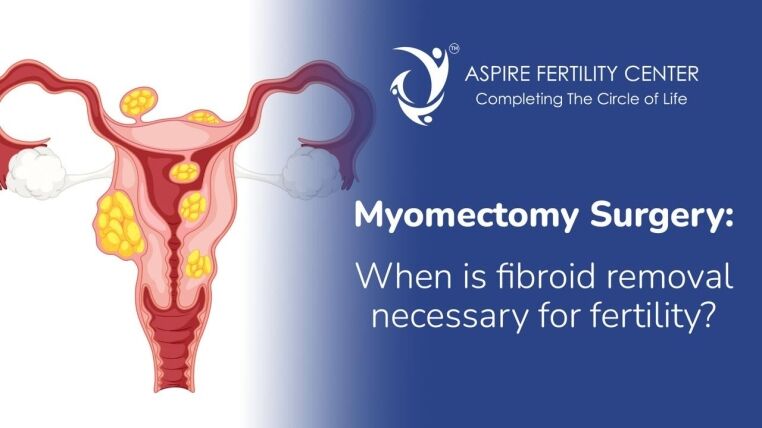
If you’ve been trying to conceive without success and recently learned you have uterine fibroids, you’re likely wondering: are these fibroids preventing pregnancy? Should you have them removed before continuing fertility treatment? This article focuses specifically on when myomectomy surgery becomes necessary for women facing fertility challenges, how it affects conception outcomes, and how to make the right decision for your reproductive timeline.
How Fibroids Interfere with Conception
The Fertility-Fibroid Connection
While many women with fibroids conceive naturally, certain fibroids can significantly reduce your chances of getting pregnant. The impact depends primarily on fibroid location rather than size alone:
Submucosal fibroids (growing into the uterine cavity) create the most significant barrier to conception. These fibroids:
- Reduce available space for embryo implantation
- Disrupt the endometrial lining
- Have the strongest documented link to infertility
Intramural fibroids (within the uterine wall) may affect fertility when they:
- Distort the uterine cavity shape
- Exceed 4-5 cm in size
- Compress or block the fallopian tube openings
Subserosal fibroids (growing outward from the uterus) rarely impact fertility unless they are very large or affect the tube-ovary relationship.
When Fibroids Become a Fertility Factor
Among women undergoing female infertility treatment in Bangalore, fibroids are identified as a contributing factor when:
- Multiple failed conception attempts occur with no other identifiable cause
- IVF embryos fail to implant despite good embryo quality
- Recurrent early pregnancy loss is documented
- Imaging shows significant uterine cavity distortion
Myomectomy Surgery: The Fertility-Preserving Option
Myomectomy surgery removes fibroids while preserving the uterus, making it the primary surgical option for women who wish to conceive. Unlike hysterectomy, myomectomy maintains reproductive capacity.
For fertility purposes, the specific surgical approach (laparoscopic, hysteroscopic, or abdominal) is selected based on fibroid location and characteristics. Your fertility specialist will determine the most appropriate technique to maximize both fibroid removal and future conception potential.
When Is Fibroid Removal Necessary Before Trying to Conceive?
Making the Fertility Treatment Decision
The decision to proceed with myomectomy surgery before attempting conception depends on several fertility-specific factors:
For Women Trying to Conceive Naturally:
Uterine fibroid removal is typically recommended when:
- Submucosal fibroids are present (even if small)
- Intramural fibroids larger than 4-5 cm distort the uterine cavity
- Previous conception attempts have failed with fibroids as the probable cause
- Recurrent miscarriage has occurred and fibroids are identified as a factor
For Women Considering IVF:
The timing of myomectomy surgery relative to IVF requires careful consideration:
- Surgery first is typically recommended when submucosal fibroids are present or when cavity-distorting intramural fibroids exist, as these significantly reduce IVF success rates
- Proceeding with IVF may be appropriate when fibroids are small subserosal growths that don’t affect the cavity
- Age and ovarian reserve influence this decision — women with diminishing ovarian reserve may need to freeze eggs before myomectomy
This is where female infertility treatment in Bangalore requires individualized assessment. Your fertility specialist will weigh fibroid characteristics against your age, ovarian reserve, and overall reproductive timeline.
The Age and Timing Factor
For women approaching their late 30s or early 40s, timing becomes critical:
- Myomectomy surgery plus recovery requires 3-6 months before attempting conception
- Ovarian reserve naturally declines with age
- In some cases, egg freezing before myomectomy may be advisable
- The fertility specialist must balance the benefit of fibroid removal against the time cost
This complexity makes consultation with a reproductive medicine specialist essential for women facing both fibroids and age-related fertility concerns.
Pregnancy After Myomectomy: Realistic Expectations
Conception Success Rates
Pregnancy after myomectomy occurs in 40-60% of women within two years post-surgery. However, these rates vary significantly based on:
Fibroid-Related Factors:
- Women with submucosal fibroids see the most significant improvement in conception rates after removal
- Single fibroid removal typically has better outcomes than multiple fibroid removal
- Cavity-distorting fibroids, once removed, show marked improvement in implantation rates
Patient-Related Factors:
- Age at time of surgery (women under 35 have higher post-myomectomy conception rates)
- Ovarian reserve status
- Presence of other fertility factors (male factor, tubal issues, ovulation problems)
- Whether the patient proceeds with natural conception or fertility treatment
The Conception Timeline
Understanding the timeline is critical for fertility planning:
Immediate Post-Surgery (0-3 months):
- Uterine healing occurs
- Conception should be avoided
- Fertility evaluation can be updated if needed
Optimal Conception Window (3-24 months):
- Most physicians recommend attempting conception 3-6 months post-surgery
- This period offers the best balance of uterine healing and fibroid-free interval
- Success rates are highest during this timeframe
Long-Term Considerations (24+ months):
- New fibroid development becomes more likely over time
- For women not conceiving within 2 years post-myomectomy, re-evaluation is recommended
- Additional fertility treatment may be indicated
Integration with Fertility Treatment
For women undergoing female infertility treatment in Bangalore, myomectomy often becomes part of a larger treatment protocol:
- IVF after myomectomy: Embryo implantation rates improve when cavity-distorting fibroids are removed before IVF
- IUI considerations: Intrauterine insemination success may improve after fibroid removal in select cases
Important Limitations to Understand
Uterine fibroid removal through myomectomy surgery improves the uterine environment but does not guarantee pregnancy. Success depends on multiple fertility factors beyond fibroid presence. Comprehensive fertility evaluation before and after surgery helps identify all factors affecting conception.
The Fertility-Focused Evaluation Process
Comprehensive Fertility Assessment
Before determining if myomectomy surgery is appropriate, female infertility treatment in Bangalore requires thorough evaluation:
Fibroid Mapping:
- 3D ultrasound or MRI to precisely locate fibroids relative to the uterine cavity
- Assessment of fibroid type, size, and number
- Evaluation of cavity distortion and endometrial involvement
Complete Fertility Workup:
- Ovarian reserve testing (AMH, FSH, antral follicle count)
- Hormone panels (thyroid, prolactin)
- Semen analysis (male factor assessment)
- Tubal patency evaluation (HSG or SIS)
- Assessment of ovulation
Reproductive Timeline Discussion:
- Current age and time until desired family completion
- Urgency of conception based on age and ovarian reserve
- Previous conception attempts and outcomes
- Whether egg or embryo freezing should precede surgery
This comprehensive approach ensures myomectomy surgery is recommended only when fibroids are genuinely affecting fertility and when the benefits outweigh the time investment.
Decision-Making Framework: Surgery vs. Proceeding with Treatment
For women pursuing female infertility treatment in Bangalore, the decision framework considers:
Proceed with Myomectomy Surgery When:
- Submucosal fibroids are present (clear fertility impact)
- Large intramural fibroids distort the uterine cavity
- Previous IVF failure with fibroids as probable cause
- Patient is younger with good ovarian reserve (time is available)
Consider Fertility Treatment Without Surgery When:
- Fibroids are small and subserosal (minimal fertility impact)
- Patient age/ovarian reserve indicates urgency (limited time)
- Other significant fertility factors exist that require immediate treatment
- Risk-benefit analysis favors proceeding with IVF
Consider Egg Freezing Before Myomectomy When:
- Patient is approaching late 30s with declining ovarian reserve
- Multiple or large fibroids requiring complex surgery
- Extended recovery period anticipated
- Desire to preserve current fertility potential before surgery
Pregnancy Monitoring After Myomectomy
Antenatal Care Considerations
Women who achieve pregnancy after myomectomy require specialized monitoring:
Increased Surveillance:
- More frequent ultrasounds to monitor uterine integrity
- Assessment of fibroid recurrence during pregnancy
- Monitoring of fetal growth and placental location
Delivery Planning:
- Women who had deep myometrial incisions may require cesarean delivery
- Risk of uterine rupture during labor is assessed based on surgical records
- Delivery mode is determined collaboratively between fertility specialist and obstetrician
Fibroid Behavior in Pregnancy:
- Existing small fibroids may enlarge during pregnancy due to hormonal changes
- Most fibroids do not cause complications during pregnancy
- Degeneration of fibroids can occur, causing pain but typically not requiring intervention
Understanding these considerations helps women who conceive after uterine fibroid removal prepare for appropriate antenatal care.
Critical Factors in the Myomectomy Decision for Fertility
When Uterine Fibroid Removal Is the Right Choice
The decision to proceed with myomectomy surgery for fertility purposes is appropriate when:
- Clear fibroid-fertility link: Imaging confirms cavity distortion or submucosal location
- Failed natural conception: 12+ months of unsuccessful attempts with fibroids as probable cause
- IVF failure: Previous cycle(s) unsuccessful with fibroid presence
- Adequate time available: Patient age and ovarian reserve allow for 3-6 month recovery plus conception attempts
- No other urgent fertility factors: Other causes of infertility are absent or manageable
When to Reconsider or Delay Surgery
Myomectomy surgery may not be the immediate priority when:
- Limited time due to age: Women approaching 40 with declining ovarian reserve may need immediate IVF
- Multiple fertility factors: When fibroids coexist with severe male factor, tubal disease, or poor ovarian reserve
- Minimal fibroid impact: Small subserosal fibroids unlikely to affect conception
- Previous failed myomectomy: Fibroid recurrence after prior surgery may warrant different approach
In these scenarios, consultation with a reproductive medicine specialist helps determine whether to pursue egg freezing, immediate fertility treatment, or surgery.
Integrated Fertility Care at Aspire Fertility Center
Coordinated Fibroid and Fertility Management
Aspire Fertility Center, led by Dr. Ashwini G. B., Founder and Clinical Director, provides integrated care for women facing both fibroids and fertility challenges. This coordinated approach includes:
Pre-Surgical Fertility Planning:
- Complete fertility assessment before myomectomy surgery recommendations
- Ovarian reserve testing to inform surgical timing decisions
- Discussion of egg or embryo freezing when indicated
- Clear timeline development from surgery through conception attempts
Surgical Expertise:
- Myomectomy surgery performed with fertility preservation as primary goal
- Minimally invasive techniques prioritized to reduce recovery time
- Surgical approach selected to optimize both fibroid removal and uterine integrity
Post-Surgical Fertility Support:
- Monitoring of uterine healing before conception attempts
- Fertility treatment coordination (IUI, IVF) when needed after recovery
- Ongoing assessment for fibroid recurrence
- Adjustment of treatment protocols based on individual response
This integrated model ensures that myomectomy surgery becomes part of a comprehensive female infertility treatment in Bangalore strategy rather than an isolated procedure.
Why Integration Matters for Fertility Outcomes
Women benefit from having both surgical and fertility expertise under one roof:
- No transition time lost between surgical recovery and fertility treatment initiation
- Consistent team understanding of your complete reproductive history
- Coordinated decision-making when multiple treatment options exist
- Streamlined communication between surgical and fertility treatment phases
Dr. Ashwini’s clinical focus on reproductive medicine ensures that all surgical decisions consider fertility optimization, not just fibroid removal.
Summary
For women facing fertility challenges, myomectomy surgery can be a valuable intervention when fibroids are documented to interfere with conception. The procedure is most beneficial for submucosal fibroids and large cavity-distorting intramural fibroids, where uterine fibroid removal significantly improves implantation rates and pregnancy outcomes.
The decision to proceed with surgery requires careful evaluation of multiple factors: fibroid characteristics, patient age, ovarian reserve, reproductive timeline, and presence of other fertility factors. Pregnancy after myomectomy occurs in 40-60% of women within two years, with success rates highest when surgery is followed by timely conception attempts.
Critical considerations include:
- The 3-6 month healing period before attempting conception
- Whether age and ovarian reserve allow time for surgery and recovery
- Integration with fertility treatments (IVF, IUI) when needed
- The possibility of fibroid recurrence over time
Aspire Fertility Center provides comprehensive female infertility treatment in Bangalore with integrated surgical and fertility care, ensuring myomectomy surgery decisions are made within the context of your complete reproductive plan rather than as an isolated procedure.
Sarjapur-Marathahalli
4th Floor, Within NATUS Hospital, 20/13, Sarjapur – Marathahalli Rd, Carmelaram, Janatha Colony, Doddakannelli, Bengaluru, Karnataka 560035
Contact Information
Aspire Fertility Center
Phone:
080-42121313 | 9620004610 | 9620006410
Email:
info@aspirefertility.in
Locations:
HSR Layout
Site No 2, 19th Main Rd, 4th Sector, HSR Layout, Bengaluru, Karnataka 560102
Sarjapur-Marathahalli
4th Floor, Within NATUS Hospital, 20/13, Sarjapur – Marathahalli Rd, Carmelaram, Janatha Colony, Doddakannelli, Bengaluru, Karnataka 560035
Frequently Asked Questions
Q1: Should I remove fibroids before starting IVF treatment?
A1: The decision depends on fibroid type and location. Submucosal fibroids (protruding into the uterine cavity) should typically be removed before IVF, as they significantly reduce embryo implantation rates. Intramural fibroids larger than 4-5 cm that distort the cavity are also usually removed first. Small subserosal fibroids (on the outer uterine surface) generally don’t affect IVF success and don’t require removal. Your fertility specialist will assess imaging studies to make this recommendation based on your specific fibroid characteristics and overall fertility profile.
Q2: How does myomectomy surgery affect my chances of getting pregnant naturally?
A2: For women whose fibroids were affecting fertility, myomectomy can significantly improve natural conception rates. Studies show 40-60% of women conceive within two years after surgery. Success is highest when submucosal or cavity-distorting fibroids are removed. However, myomectomy addresses only the fibroid factor — if other fertility issues exist (male factor, ovulation problems, tubal issues), additional treatment may be needed. A comprehensive fertility evaluation before and after surgery provides the most accurate expectations.
Q3: I’m 38 with fibroids and low ovarian reserve. Should I have surgery first or go straight to IVF?
A3: This is a common and complex scenario. With declining ovarian reserve, time becomes critical. Many specialists recommend egg or embryo freezing before myomectomy surgery in this situation. This preserves your current fertility potential while allowing time for surgery and recovery. Alternatively, if your fibroids are small and not cavity-distorting, proceeding directly with IVF may be appropriate. This decision requires individualized assessment of your fibroid characteristics, AMH levels, antral follicle count, and reproductive goals. Consultation with a reproductive medicine specialist is essential.
Q4: Can fibroids grow back after myomectomy, and what happens to my fertility if they do?
A4: Fibroid recurrence occurs in 10-25% of women after myomectomy surgery, with higher rates in younger women. New fibroids typically take several years to develop, providing a window for conception attempts. If you conceive and complete your family before recurrence, new fibroids don’t affect your reproductive goals. For women who don’t conceive within 2 years post-surgery, re-evaluation is recommended. If significant fibroids have recurred, fertility treatment options (IVF) may be pursued without repeat surgery, or in some cases, a second myomectomy may be considered.
Q5: How does Aspire Fertility Center coordinate fibroid surgery with fertility treatment?
A5: Aspire Fertility Center provides integrated care where myomectomy surgery and fertility treatment are coordinated under one clinical team. This includes: comprehensive fertility assessment before surgical recommendations, discussion of egg freezing if needed before surgery, clear timeline planning from surgery through conception attempts, post-surgical monitoring of uterine healing, and fertility treatment initiation (IUI, IVF) when appropriate after recovery. This integrated approach ensures surgical decisions are made within the context of your complete reproductive plan, avoiding delays and optimizing outcomes through coordinated care.
Related Reading
Uterine fibroids are one of several factors that can affect fertility. Another common yet often overlooked issue is tubal factor infertility, where blocked or damaged fallopian tubes prevent conception even when other factors seem normal.
If you’re exploring fibroid-related fertility concerns, understanding other potential causes can provide a more complete picture: Tubal Factor Infertility: Is a Blocked Tube Silently Stopping Your Pregnancy?
Comprehensive fertility evaluation assesses all potential factors to create the most effective treatment strategy.


