
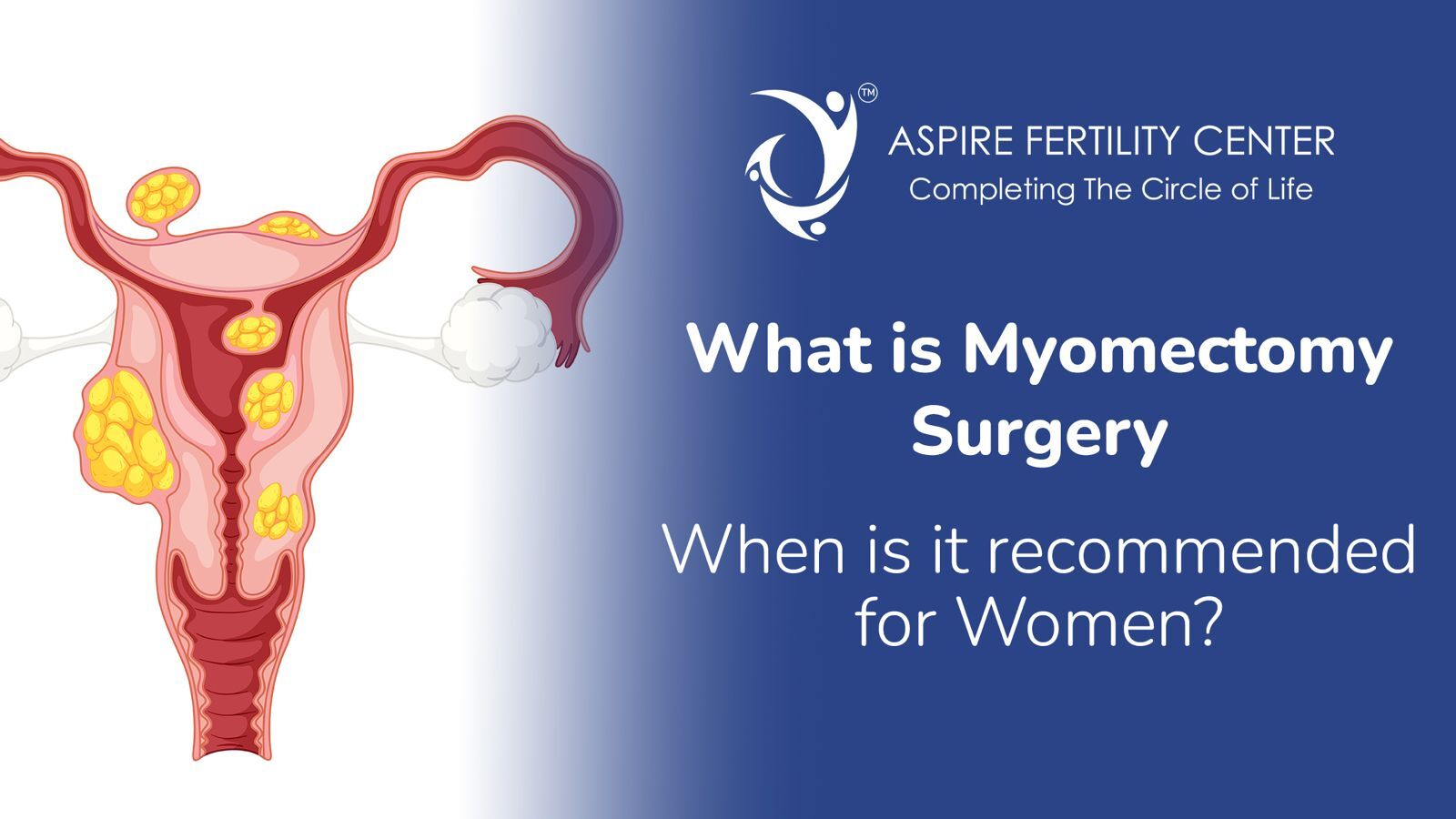
Uterine fibroids are among the most common gynaecological conditions in women of reproductive age. While many women with fibroids experience no symptoms, others deal with heavy menstrual bleeding, pelvic pain, or fertility difficulties that require medical intervention. In such cases, myomectomy surgery is a commonly recommended treatment.
This article explains what myomectomy surgery involves, how it differs from other fibroid treatments, when it is indicated, and what to expect during recovery and after.
Understanding Uterine Fibroids
What Are Fibroids?
Uterine fibroids are non-cancerous growths composed of muscle and fibrous tissue that develop in or around the uterine wall. They range considerably in size and number. The precise cause is not fully established, but estrogen and progesterone are known to influence their growth.
Symptoms vary widely. Some women are asymptomatic. Others experience heavy or prolonged menstrual bleeding, pelvic pressure or pain, frequent urination, or difficulty conceiving. Severity of symptoms — not the presence of fibroids alone — typically determines whether treatment is needed.
How Fibroids Affect Fertility
Fibroids can interfere with fertility depending on their size and location. Submucosal fibroids (those that grow into the uterine cavity) are most likely to affect implantation. Others may obstruct the fallopian tubes or alter the uterine environment in ways that reduce the likelihood of conception or increase miscarriage risk.
Among women undergoing evaluation for female infertility treatment in Bangalore, fibroids are a frequently identified contributing factor. Uterine fibroid removal through myomectomy is often recommended when fibroids are assessed to be directly affecting reproductive outcomes.
What Is Myomectomy Surgery?
Definition and Purpose
Myomectomy is a surgery that removes fibroids from the uterus while leaving the uterus intact. This distinguishes it from a hysterectomy, which removes the uterus entirely. Because the uterus is preserved, myomectomy surgery is the standard surgical option for women who wish to retain their fertility.
The procedure addresses fibroid-related symptoms and, where fibroids are contributing to infertility, aims to restore a uterine environment more conducive to conception. It is not a treatment for infertility in itself, but a targeted form of uterine fibroid removal that may improve fertility outcomes when fibroids are the identified cause.
Types of Myomectomy Procedures
The surgical approach depends on the number, size, and location of the fibroids.
Laparoscopic Myomectomy: A minimally invasive procedure using small incisions and a camera to locate and remove fibroids. Associated with shorter recovery time and reduced post-operative discomfort. Most suitable for a limited number of smaller fibroids accessible from the outer uterine surface.
Hysteroscopic Myomectomy: Used specifically for submucosal fibroids that protrude into the uterine cavity. A thin instrument is passed through the vagina and cervix — no external incisions are required. Generally performed as a day procedure.
Abdominal (Open) Myomectomy: Indicated when fibroids are large, deeply embedded, or numerous. Involves a single incision across the lower abdomen. Offers the most direct surgical access but requires a longer recovery period.
The choice between these approaches is made by the treating specialist based on imaging findings and the patient’s clinical profile.
When Is Myomectomy Surgery Recommended?
Symptom-Based Indications
Myomectomy is considered when fibroids cause symptoms that are persistent and do not respond adequately to non-surgical management. These include heavy or prolonged menstrual bleeding leading to iron-deficiency anemia, significant pelvic pain or pressure, bladder compression causing frequent urination, and dyspareunia (pain during intercourse).
Surgery is not the first step in every case. Where symptoms are mild or manageable, hormonal medications or other conservative options may be trialled first.
Fertility-Related Indications
Myomectomy surgery is the preferred method of uterine fibroid removal for women who have not completed their family. It is considered when fibroids are assessed to be a probable cause of infertility, repeated implantation failure, or recurrent miscarriage.
It is important to note that myomectomy surgery improves the uterine environment but does not guarantee pregnancy. A thorough fertility evaluation is necessary before and after the procedure to understand all contributing factors.
Pregnancy After Myomectomy: What to Expect
When to Try Conceiving After Surgery
Most specialists advise waiting three to six months after myomectomy surgery before attempting to conceive. This interval allows adequate healing of the uterine wall and reduces the risk of complications in a subsequent pregnancy. The recommended waiting period may be longer following open abdominal myomectomy due to the extent of uterine repair involved.
Pregnancy after myomectomy is achievable for many women. Evidence indicates that uterine fibroid removal can improve pregnancy rates in women whose fibroids were directly affecting their fertility. However, outcomes depend on individual factors including age, fibroid type, and overall reproductive health.
Antenatal Monitoring and Delivery Considerations
Women who conceive after myomectomy are typically monitored more closely during pregnancy. If the procedure involved deep incisions into the uterine muscle (myometrium), the obstetrician may recommend delivery by caesarean section to reduce the risk of uterine rupture during labour. This is assessed on a case-by-case basis.
Who Is a Suitable Candidate for Myomectomy Surgery?
Clinical Criteria
Suitability for myomectomy surgery is determined through clinical assessment and imaging — typically an ultrasound or MRI scan. Relevant factors include the size, number, and location of fibroids, the nature and severity of symptoms, the patient’s age and reproductive goals, and overall fitness for surgery.
Women most likely to be recommended myomectomy surgery are those with symptomatic fibroids who wish to retain their uterus, or those in whom fibroids are identified as a contributing cause of infertility or pregnancy loss. This surgical option is frequently discussed as part of a broader female infertility treatment plan in Bangalore, particularly when imaging confirms fibroid-related uterine distortion.
When Myomectomy Is Not Appropriate
Myomectomy surgery may not be viable in all cases. If fibroids are extensively distributed throughout the uterine wall, or if the uterine structure is significantly compromised, the risks associated with surgery may outweigh the potential benefit. In such situations, alternative treatments or hysterectomy may be more appropriate, particularly for women who are not planning future pregnancies. The final decision is made after a detailed clinical discussion.
What to Expect at Aspire Fertility Center
Clinical Assessment and Treatment Planning
At Aspire Fertility Center, myomectomy surgery is offered as part of a structured approach to female infertility treatment in Bangalore. The evaluation process begins with a detailed review of symptoms, medical history, and diagnostic imaging. Treatment recommendations — including whether myomectomy surgery is indicated — are based on this assessment rather than a standardised protocol.
Where myomectomy surgery is the recommended course of action, patients are informed about the procedure, the type of approach that will be used, expected recovery, and any implications for fertility or future pregnancy. Post-operative fertility support is discussed as part of the overall treatment plan.
Post-Surgical Care and Fertility Follow-Up
Following uterine fibroid removal, patients at Aspire are reviewed to assess healing and, where relevant, to plan the next steps in fertility treatment. For women pursuing pregnancy after myomectomy, this may include further fertility investigations or assisted reproductive treatment depending on individual clinical findings.
About Our Clinical Team
Aspire Fertility Center is founded and led by Dr. Ashwini G. B., Clinical Director and specialist in Reproductive Medicine. Dr. Ashwini’s clinical focus includes the diagnosis and surgical management of gynaecological conditions affecting fertility, including uterine fibroids.
The center’s team of fertility specialists has experience across multiple areas of reproductive medicine, enabling coordinated care for patients who require both surgical intervention and fertility treatment.
Conclusion
Myomectomy surgery is an established surgical procedure for uterine fibroid removal in women who wish to preserve their uterus. It addresses fibroid-related symptoms and, where fibroids are contributing to fertility difficulties, may improve the likelihood of conception. Suitability for the procedure depends on individual clinical factors and should be determined through proper evaluation.
If you have been diagnosed with uterine fibroids or have concerns about fibroid-related fertility issues, a consultation with a reproductive medicine specialist is the appropriate first step.
Contact Aspire Fertility Center
📞 Call Us 080-42121313 | 9620004610 | 9620006410
📧 Email Us info@aspirefertility.in
📍 Visit Our Centers
HSR Layout: Site No 2, 19th Main Rd, 4th Sector, HSR Layout, Bengaluru, Karnataka 560102
Sarjapur-Marathahalli: 4th Floor, Within NATUS Hospital, 20/13, Sarjapur – Marathahalli Rd, Carmelaram, Janatha Colony, Doddakannelli, Bengaluru, Karnataka 560035
Frequently Asked Questions
Q1: Is myomectomy surgery safe for women who want to conceive in the future?
A1: Myomectomy surgery is specifically designed to remove fibroids while preserving the uterus, making it the appropriate surgical option for women who wish to conceive. As with any surgical procedure, there are associated risks, which your specialist will discuss with you based on your individual circumstances. Many women go on to conceive following the procedure.
Q2: How long is the recovery period after myomectomy surgery?
A2: Recovery varies by procedure type. Laparoscopic and hysteroscopic myomectomy typically require two to four weeks. Open abdominal myomectomy generally requires four to six weeks. Your treating surgeon will provide specific guidance based on the extent of your procedure.
Q3: Can fibroids return after myomectomy surgery?
A3: New fibroids can develop after uterine fibroid removal through myomectomy. Recurrence rates vary depending on factors such as the number of fibroids removed, the patient’s age, and whether pregnancy occurs post-surgery. Women approaching menopause have a lower risk of recurrence. Routine follow-up imaging is advisable to monitor for any new growth.
Q4: How soon after myomectomy surgery can I try to get pregnant?
A4: Most specialists recommend waiting three to six months before attempting to conceive after myomectomy surgery. This allows the uterus to heal adequately. The recommended interval may be longer following open myomectomy. Your fertility specialist will advise based on your specific recovery and surgical findings.
Q5: Does Aspire Fertility Center provide both fibroid treatment and fertility care?
A5: Yes. Aspire Fertility Center offers evaluation and management of fibroids as part of a broader approach to female infertility treatment in Bangalore. Where myomectomy surgery is indicated, it is coordinated with post-operative fertility planning so that patients receive continuity of care throughout.
Related Reading
For women who are considering fertility preservation alongside or following fibroid treatment, egg freezing is an option worth understanding in detail. Our guide — Cost of Egg Freezing in Bangalore: Why Age Makes a Bigger Difference Than Price — covers what the procedure involves, how pricing is structured, and why the timing of egg freezing relative to age has a greater bearing on outcomes than cost alone.
