
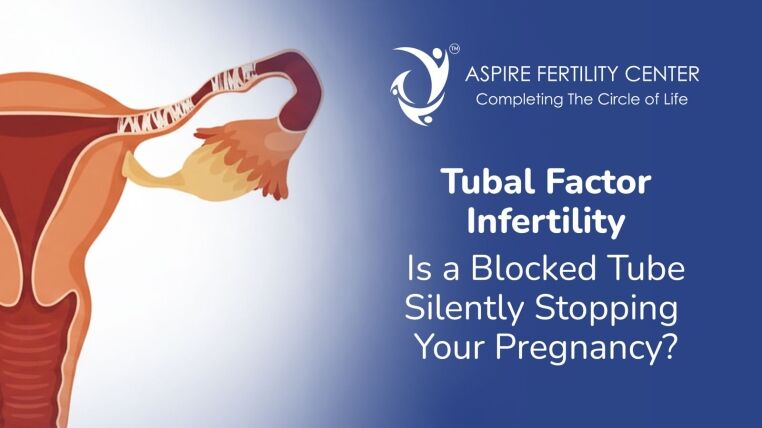
Trying to conceive without success raises many questions. For approximately 30% of women experiencing infertility, tubal factor infertility is the underlying cause—a condition where damaged or blocked fallopian tubes prevent natural conception.
At Aspire Fertility Center, we provide comprehensive diagnosis and treatment for tubal factor infertility. With proper medical evaluation and appropriate intervention, many women with fallopian tube blockage can achieve pregnancy.
What Is Tubal Factor Infertility?
Tubal factor infertility occurs when one or both fallopian tubes are damaged, scarred, or blocked, preventing the egg and sperm from meeting for fertilization.
How Fallopian Tubes Function in Conception
The fallopian tubes connect the ovaries to the uterus. During ovulation, an egg travels from the ovary into the fallopian tube. If sperm is present, fertilization typically occurs in the tube. The fertilized embryo then moves to the uterus for implantation.
What happens when Tubes Are Blocked or Damaged
When tubes are blocked or damaged, the egg and sperm cannot meet, making natural pregnancy impossible. Partial blockage reduces the chances of conception and increases the risk of ectopic pregnancy. The condition typically presents no symptoms, which is why diagnosis often occurs during fertility evaluation.
Common Causes of Fallopian Tube Blockage
Pelvic Inflammatory Disease (PID)
Pelvic inflammatory disease is a leading cause of tubal factor infertility. This infection, commonly caused by untreated sexually transmitted infections such as chlamydia or gonorrhea, spreads to the fallopian tubes causing inflammation. The resulting scar tissue can partially or completely block the tubes. PID often occurs with minimal symptoms, leading to delayed diagnosis.
Endometriosis
Endometriosis develops when tissue similar to the uterine lining grows outside the uterus, including on or around the fallopian tubes. This creates inflammation, adhesions, and scar tissue that can block or damage the tubes. We diagnose endometriosis in many patients seeking treatment at our fertility clinic in Bangalore.
Previous Pelvic Surgery or Ectopic Pregnancy
Any pelvic or abdominal surgery can create adhesions affecting the fallopian tubes. Ectopic pregnancies—where an embryo implants in the fallopian tube—often require surgical treatment that may damage the tube. Surgeries for appendicitis, ovarian cysts, or other abdominal conditions can also lead to adhesions.
Additional Risk Factors
Other causes include pelvic tuberculosis, congenital tube abnormalities, and hydrosalpinx (fluid accumulation in blocked tubes).Ruptured appendix can also contribute to tube damage.
How Is Tubal Factor Infertility Diagnosed?
Recognizing the Need for Testing
Tubal factor infertility rarely causes symptoms. Most women have regular menstrual cycles and normal ovulation. Medical evaluation is recommended after 12 months of unsuccessful conception attempts (or 6 months for women over 35).
Diagnostic Procedures Available
At Aspire Fertility Center, the best fertility clinic in Bangalore, we use these diagnostic methods:
Sonohysterography: An ultrasound-based examination using saline solution to create detailed images of the uterus and fallopian tubes, identifying blockages or structural abnormalities.
Hysteroscopy: A thin camera inserted through the cervix examines the uterus and the opening of the fallopian tubes, useful for detecting blockages at the tubal opening within the uterus.
Laparoscopy: A minimally invasive surgical procedure providing direct visualization of the fallopian tubes, ovaries, and uterus through a small camera. This is the most accurate diagnostic method and can address minor blockages during the procedure.
Treatment Options for Tubal Factor Infertility
Surgical Interventions
Surgery may be appropriate depending on blockage location and severity:
Tubal Cannulation: For proximal blockages (near the uterus), a thin catheter can open the blocked area. This procedure is performed during hysteroscopy.
Laparoscopic Surgery: This includes laparoscopic chromopertubation to assess tubal patency, surgical removal of scar tissue, repair of damaged tubes, or treatment of underlying conditions like endometriosis. Success depends on damage extent, patient age, and remaining tube function.
In Vitro Fertilization (IVF)
IVF is often the recommended treatment for tubal factor infertility, particularly with severe tube damage or multiple fertility factors.
How IVF Addresses Tubal Blockage: IVF bypasses the fallopian tubes completely. Eggs are retrieved directly from the ovaries, fertilized with sperm in the laboratory, and resulting embryos are transferred to the uterus. Fallopian tube function is not required.
When IVF Is Recommended: IVF is typically the preferred option when tubes are severely damaged, both tubes are blocked, hydrosalpinx is present, the patient is over 35, or other fertility factors exist alongside tubal issues.
Treatment Selection Factors
Treatment choice depends on patient age, extent of tube damage, presence of hydrosalpinx, additional fertility factors, and previous treatment outcomes. At our fertility clinic in Bangalore, we evaluate each case individually to recommend the most appropriate tubal blockage treatment.
Why Timely Evaluation Matters
When to Seek Medical Evaluation
Medical evaluation is recommended after one year of unprotected intercourse without conception (six months for women over 35). Tubal factor infertility does not resolve without intervention, and fertility declines with age regardless of the cause.
Impact on Treatment Options and Outcomes
Early diagnosis provides more treatment options. Women under 35 generally have better outcomes with both surgical repair and IVF. Age-related egg quality decline affects success rates independent of tubal status, making timely evaluation important.
Expert Care at Aspire Fertility Center
Comprehensive Fertility Services
At Aspire Fertility Center, we provide thorough diagnostic testing, individualized treatment planning, and evidence-based fertility treatments including IVF and surgical interventions.
Experienced Medical Leadership
Our clinic is led by Dr. Ashwini G. B., Founder and Clinical Director, with extensive expertise in reproductive medicine. Our team of fertility specialists has significant experience diagnosing and treating tubal factor infertility using advanced reproductive technologies.
As the best fertility clinic in Bangalore, we combine medical expertise with modern fertility treatment protocols to provide effective care for patients with fallopian tube blockage.
Taking the Next Step
If you have been unable to conceive and want to determine whether tubal issues may be involved, schedule a consultation with our team. We will conduct necessary diagnostic tests and explain available tubal blockage treatment options based on your specific situation.
Contact Information
Call us: 080-42121313 | 9620004610 | 9620006410
Email: info@aspirefertility.in
Visit our centers:
HSR Layout: No 2, 19th Main, 4th Sector, HSR Layout, Bangalore 560102
Sarjapur-Marathahalli: 4th Floor, Within NATUS Hospital, 20/13, Sarjapur – Marathahalli Rd, Carmelaram, Janatha Colony, Doddakannelli, Bengaluru, Karnataka 560035
Conclusion
Tubal factor infertility prevents natural conception when fallopian tubes are blocked or damaged. While hysteroscopy examines the uterine cavity, it can also visualize the tubal openings to identify potential blockages. Treatment options include surgical repair for appropriate candidates and IVF, which bypasses the tubes entirely.
At Aspire Fertility Center, we provide diagnostic services and tubal blockage treatment based on current reproductive medicine practices. If you have concerns about tubal factor infertility, contact our clinic for evaluation and consultation.
Frequently Asked Questions
Q1: Can pregnancy occur naturally with one blocked fallopian tube?
A1: Natural conception is possible with one functioning fallopian tube if the corresponding ovary is healthy. The remaining tube can facilitate fertilization and pregnancy. However, conception may take longer compared to having two functioning tubes. If both tubes are blocked or other fertility factors exist, medical intervention such as surgery or IVF becomes necessary.
Q2: What is the recovery period after tubal blockage surgery?
A2: Recovery varies by procedure type. Laparoscopic surgery typically requires one to two weeks before resuming normal activities. Strenuous exercise and sexual intercourse should be avoided for approximately four weeks. Complete tube healing takes about three months, after which conception attempts can typically resume. Your fertility specialist will provide specific post-operative guidelines.
Q3: How does IVF success compare to surgical repair for blocked tubes?
A3: Success rates depend on multiple factors including patient age, blockage severity and location, and presence of other fertility issues. IVF generally shows higher success rates for women with severe tubal damage, those over 35, or when multiple fertility factors are present. Surgical repair may be equally effective for younger women with mild proximal blockages. Individual evaluation determines the most appropriate treatment approach.
Q4: Does tubal factor infertility affect IVF outcomes?
A4: Tubal factor infertility alone does not typically reduce IVF success rates since the procedure bypasses the fallopian tubes. However, hydrosalpinx (fluid-filled blocked tubes) can decrease IVF success rates by approximately 50%. In such cases, tube removal or ligation is often recommended before beginning IVF. Without hydrosalpinx, women with tubal blockage have comparable IVF success rates to those with other infertility diagnoses.
Q5: What symptoms indicate possible fallopian tube blockage?
A5: Most women with blocked fallopian tubes experience no symptoms. The condition is typically discovered during fertility evaluation. However, some women may experience chronic pelvic pain, particularly if blockage results from endometriosis or pelvic inflammatory disease. Unusual vaginal discharge, painful menstruation, pain during intercourse, or a history of pelvic infections may suggest tube problems. A history of ectopic pregnancy is also associated with tubal damage. If these symptoms occur alongside difficulty conceiving, medical evaluation is warranted.
